
Do You Need to Be a Nutritionist to Be a Health Coach?

No. Under the NBHWC Scope of Practice, health coaches working on their own don't give nutrition consultation or create meal plans. A health coach helps clients set their own goals through questions, reflection, and accountability. If you're a BCBA, you already have the behavior change skills, and a certification program teaches you the coaching process.
Three weeks into one of our current health coaching cohorts, a BCBA unmuted with the question I hear in some form every single cohort. We'd just practiced reviewing a wellness assessment, and she asked what she's supposed to do if a client picks finances as their priority. Or spirituality. "I got nothing," she said. "I could listen. That's about all I would be able to do."
That's okay, because listening well is most of the job. I've never once written a meal plan for a client. I studied nutrition for the board exam, it went in my brain and out my brain, and I'm not up to date on the current nutrition guidelines. I've been coaching for years anyway, because what I know how to do is ask the questions, hold space, and understand what my client wants.
If "I'm not a nutritionist" is the thing keeping you from becoming a health coach, you're holding yourself to a standard the profession itself doesn't set.
"Listening well is most of the job. You don't need a nutrition degree to ask the questions, hold space, and help your client figure out what they want."
What a Health Coach Does (and What You Refer Out)
The NBHWC Scope of Practice describes health coaches as partners who help clients use their own insight, strengths, and resources to set goals, commit to action steps, and build accountability. It also lists what coaches on their own don't do, which includes diagnosing, interpreting medical data, recommending supplements, giving nutrition consultation, creating meal plans, and prescribing exercise.
Read that again if you've been putting off coaching because you think you need a nutrition degree first. Meal plans aren't part of the coach's role at all.
| What's in your coaching scope | What you refer out or leave to another credential |
|---|---|
| Helping a client define what "eating better" means to them | Writing a meal plan |
| Exploring why sleep matters to them and setting a goal around it | Assessing or treating a sleep disorder |
| Goal setting around saving for a big purchase | Giving financial or investment advice |
| Getting curious about what spirituality means to them | Telling them what to believe |
| Building a movement habit they choose | Prescribing an exercise program |
The NBHWC scope also says coaches who hold another active, recognized credential can give expert guidance within that credential's scope. When it's appropriate, coaches can share evidence-based resources from nationally recognized authorities. Kendra, who co-teaches our certification with me, is a BCBA with a master's in nutrition, so she brings a depth of nutrition knowledge I don't have. I coach without it, and my clients still get results.
Why BCBAs Think They Need to Be the Expert
In ABA, we're trained to be the expert in the room. We run the assessment, we find the deficits, and we write the plan. When a coaching client tells me she wants better sleep, my BCBA brain immediately jumps to antecedent interventions, sleep hygiene, and whether she should track it with an Oura Ring.
Years ago I worked in a K through 2 autism classroom where a colleague sent a family their child's VB-MAPP results with no summary and no meeting. The mom called me in tears because the score said her seven-year-old wasn't at the level of a two-year-old. I told her that was one assessment, and that four other assessments would show her things this one couldn't. Assessment data is a snapshot, and in coaching it's even more subjective, because the client is rating herself.
So in coaching, we look at assessment results with an open mind. If finances are the lowest score on someone's wellness wheel, we don't say "finances are lowest, so let's start there." That's the expert approach. We ask what the client wants to focus on, look at what's already going well, and build from their strengths. It's the same shift I wrote about in what BCBAs get wrong about client motivation.
You don't need to know everything about your client's goal. You need to know how to help them figure out what they want.
Wondering whether you know enough to coach?
Learn the coaching process alongside other BCBAs and practice asking the questions that work on any topic.
EXPLORE THE CERTIFICATIONPeel Back the Onion
My students are sick of hearing me say "peel back the onion," and I'm going to keep saying it, because that is where coaching happens.
In that same class, a cohort member volunteered to let me review her assessment in front of everyone. She came in saying sleep and rest were her biggest priority. A few open questions later, she realized the thing she wanted most was to feel connected to people. If I'd gone straight to sleep hygiene, we'd have missed the bigger why completely.
The same thing works for topics you know nothing about. When a client says she wants to work on her spirituality, you say, "Tell me more about that." She might tell you she wants to go to church more or feel closer to a higher power. Then you ask what about that is important to her. You could be an atheist and coach someone on spirituality. One of our graduates, who now helps coach our cohorts, had a client working on daily devotions and grounding. She didn't need to fully understand why her client wanted those things. She got curious about what they meant to her client, and that she could coach.
Finances work the same way. In a recent cohort, a practice client wanted to save for a new car. Her coach asked what it would take to get from where she was to that goal. The conversation turned to late nights out and Amazon shopping she didn't need, which was automatically reinforcing and easy to reach for when she didn't know what else to do. You don't need to be a financial advisor to coach that. Your behavior science background helps you see the pattern, and your coaching skills help her decide what to do about it. Just keep your coaching clearly separate from any behavior-analytic services you offer, which is the same ethics point I covered in how BCBAs can market coaching without feeling salesy.
Where Your Scope Ends
You can coach almost any topic, and there are still clients who need a different provider. Knowing where your scope ends is part of being a good coach, and it's something I'm very direct about in the certification.
We use a health risk assessment to help spot red flags that mean a client should be referred to another provider. These include any thoughts of harming themselves or others, significant changes in appetite, ongoing guilt or hopelessness, loss of pleasure, or serious sleep problems. If someone tells me she's sleeping two hours a night and feels manic, she needs a referral before we set any sleep goal.
Talking about feelings in a coaching session is fine, and I do it all the time. Repeatedly processing the same feelings week after week is a sign that therapy might be the better fit. I'm an intuitive eating counselor, and clients who are actively engaging in disordered eating are outside my scope too. If a client has a mood disorder or works with a therapist, I'd get a physician release before coaching begins.
The health and wellness coaching research supports this model. A 2018 compendium of the literature found coaching to be a promising intervention for chronic disease, while noting that more research is needed in most areas. Coaching works best as a partner to healthcare, and it doesn't replace it.
How to Coach Topics Outside Your Expertise
These are the habits I teach every cohort, and they work no matter what domain your client picks.
-
Use one assessment and keep it short. Six years ago I sent clients a 20-page intake that asked for things like their date of birth, and I have no idea why. Now I send one assessment and a coaching agreement before the first session, and I let the rest come out in coaching.
-
Let the client choose the focus. Review the results with curiosity, notice their strengths, and ask which area would be most helpful to talk about today.
-
Ask before you tell. "Tell me more about that" and "What about that is important to you?" will take you further than any fact you could share.
-
Keep a referral list. Know your red flags and have a few trusted providers you can send clients to when something is outside your scope.
Learn the Coaching Process With Other BCBAs
When we got the letter in 2024 that our program was an approved health coaching program, my first reaction was fear, because now we had to market it. Kendra and I had put a year into building it for exactly the BCBA who's asking this question. We're running our sixth and seventh cohorts right now, and students start practicing coaching with each other in the first few weeks, with Kendra and me popping into breakout rooms to help.
Nicole, one of our graduates, passed the national board exam in the 98th percentile. She told us, "Everything you learn helps you as a BCBA and gets you what you need to take those steps to being a health coach."
If you've wondered whether you know enough to coach, learn more about the health coaching certification for BCBAs.
What topic are you most afraid a client will bring to you? I'd love to hear from you.
Chat soon! ✨
Sarah
FAQ: Health Coaches and Nutrition
Do you need to be a nutritionist to be a health coach?
No. The NBHWC Scope of Practice states that health coaches working on their own do not provide nutrition consultation or create meal plans. Health coaches help clients set and reach their own goals through questions, reflection, and accountability, and coaches who hold a separate nutrition credential can give nutrition guidance within that credential.
Can a health coach give nutrition advice?
A health coach without a nutrition credential does not give nutrition consultation or create meal plans under the NBHWC Scope of Practice. When appropriate, coaches may share evidence-based resources or information from nationally recognized authorities. Coaches with an active nutrition credential may give guidance within that credential's scope.
Can I coach a client on a topic I know nothing about?
Yes, in most cases, because coaching relies on the client's own knowledge and goals. Asking open questions like "Tell me more about that" and "What about that is important to you?" helps the client define what they want. Sarah Burby tells her students that you could be an atheist and still coach someone on spirituality.
What is outside a health coach's scope of practice?
Under the NBHWC Scope of Practice, coaches on their own do not diagnose, interpret medical data, recommend supplements, provide nutrition consultation or meal plans, prescribe exercise, or provide psychological treatment. Red flags such as thoughts of self-harm, significant appetite changes, hopelessness, or serious sleep problems call for a referral to another provider.
How do BCBAs use their ABA background in health coaching?
BCBAs bring a strong understanding of behavior change, reinforcement, and environmental patterns, which helps them notice what keeps a habit going. In coaching, that knowledge supports the client's own decisions instead of driving an expert-written plan. BCBAs should keep coaching services clearly distinguished from behavior-analytic services, as the BACB Ethics Code requires for nonbehavioral services.
What assessment should a new health coach use?
Sarah Burby recommends choosing one short assessment, such as a wellness wheel, rather than a long intake packet. Review the results with curiosity, notice the client's strengths, and let the client choose which area to focus on first. The goal is a baseline for tracking progress.
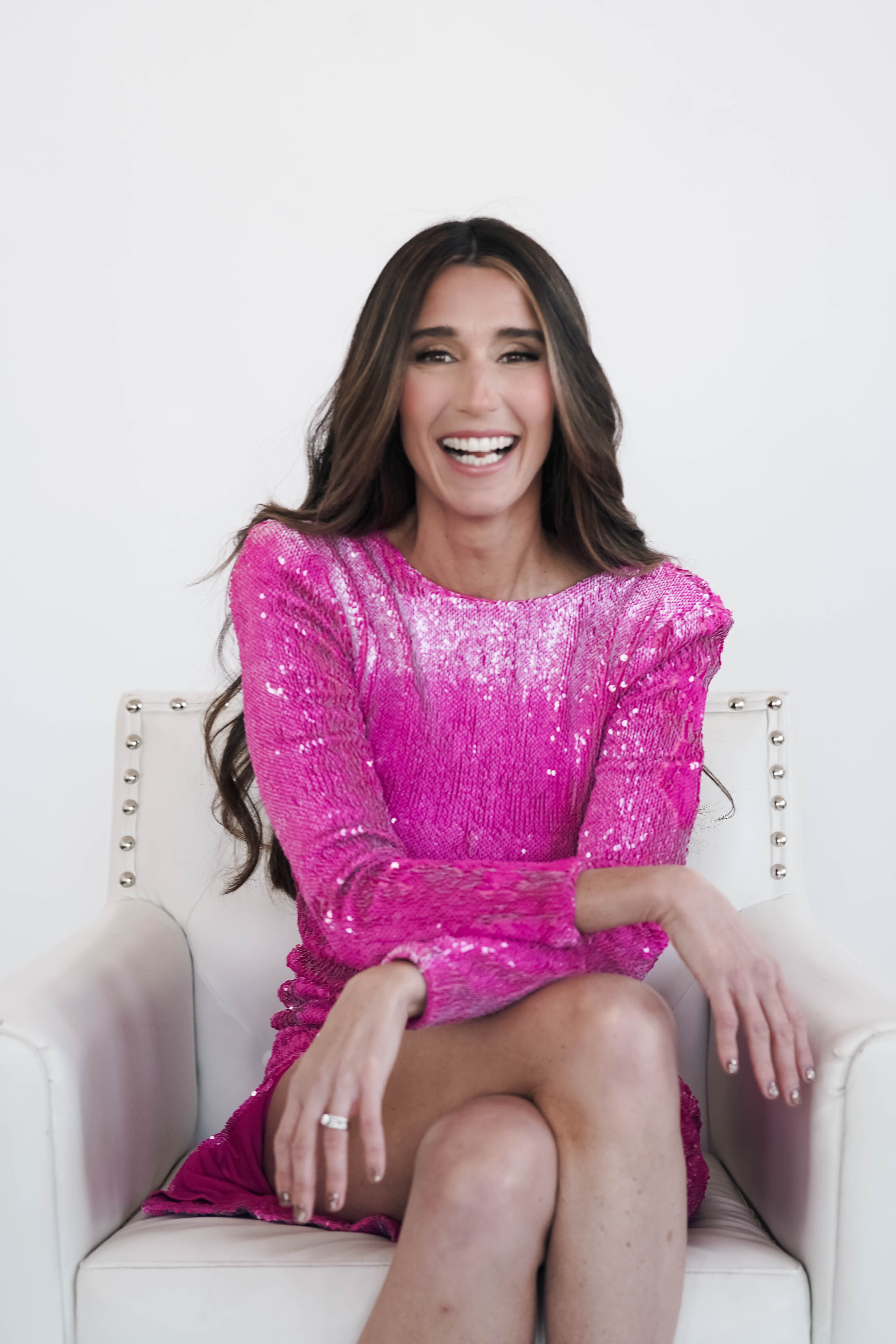
Sarah Burby
Founder of Mind Body Behavior and Clinicians for MORE
More from the Journal

You're Not Weak. You're Burned Out. There's a Difference.
BCBA burnout is not a personal failure. It's what happens when people who genuinely care about helping others get trapped in systems built around bill...

BCBA Career Change: You're Not Starting Over, You're Adding On
BCBAs change careers every day, and most of them are not starting from scratch. They are taking years of behavior science training, clinical observati...
